About Turbo Induction
A technology-focused induction heating equipment provider based in Faridabad, Haryana.
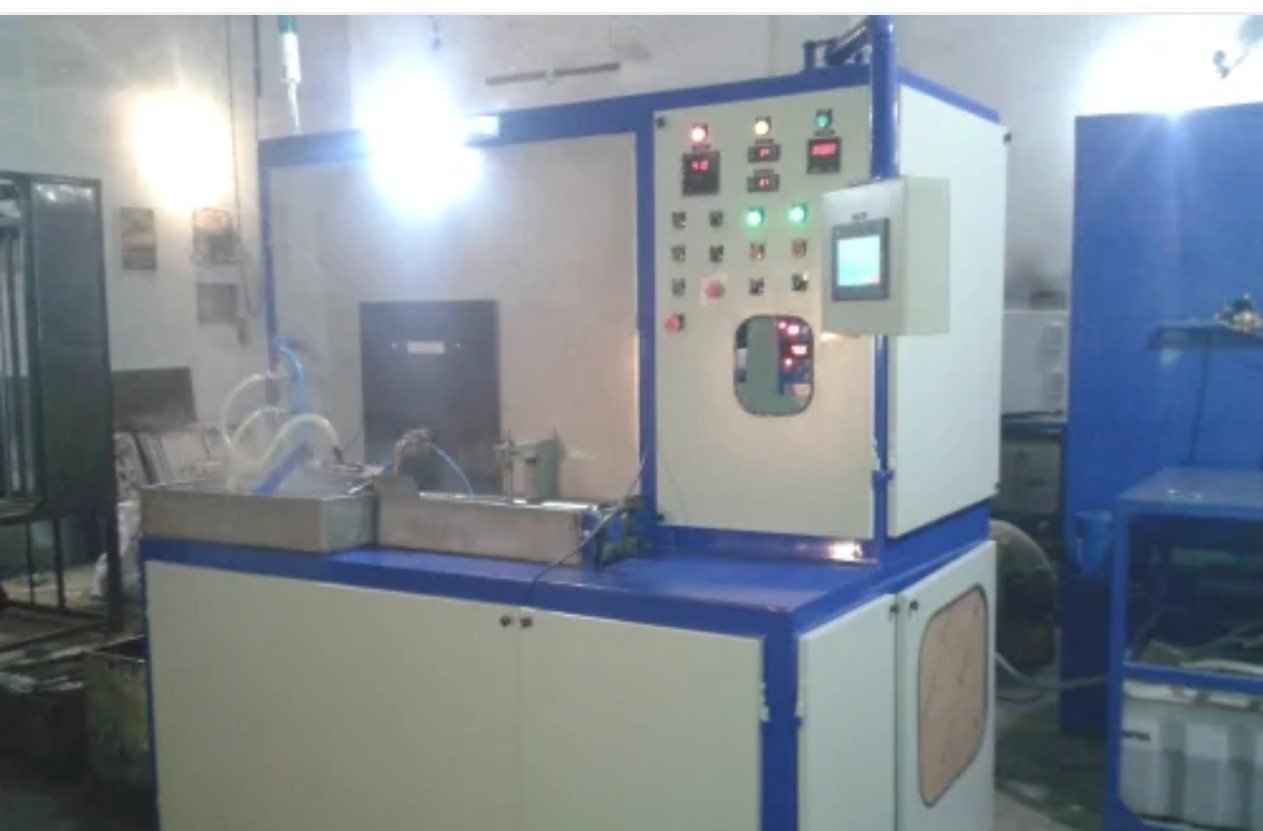
Engineering Efficient Induction Heating Solutions
Turbo Induction Works designs, builds and supports induction heating equipment for industries that depend on precise, repeatable heat treatment — including automotive component manufacturing, forging, bearings and general engineering.
Rather than offering a single fixed product line, we work from the application backward: understanding the part, the material, and the production rate needed before recommending the frequency, power and coil design that fits.
Our Approach
Vision
To be a dependable engineering partner for industries that rely on accurate, repeatable induction heating.
Mission
To design and build induction heating systems that combine efficiency, reliability and ease of use for real-world production environments.
Engineering Approach
Every requirement is studied on its own merits — coil design, frequency and power are matched to the application, not the other way around.
Quality Commitment
Machines are tested before dispatch, with clear documentation and support available after installation.
Customer-Focused Solutions
Standard machines as well as fully customized systems, built around the part, material and production rate you need to achieve.
Direct Support
A single, accountable team for manufacturing, installation guidance and after-sales support — no third-party hand-offs.
The Technology Behind Our Machines
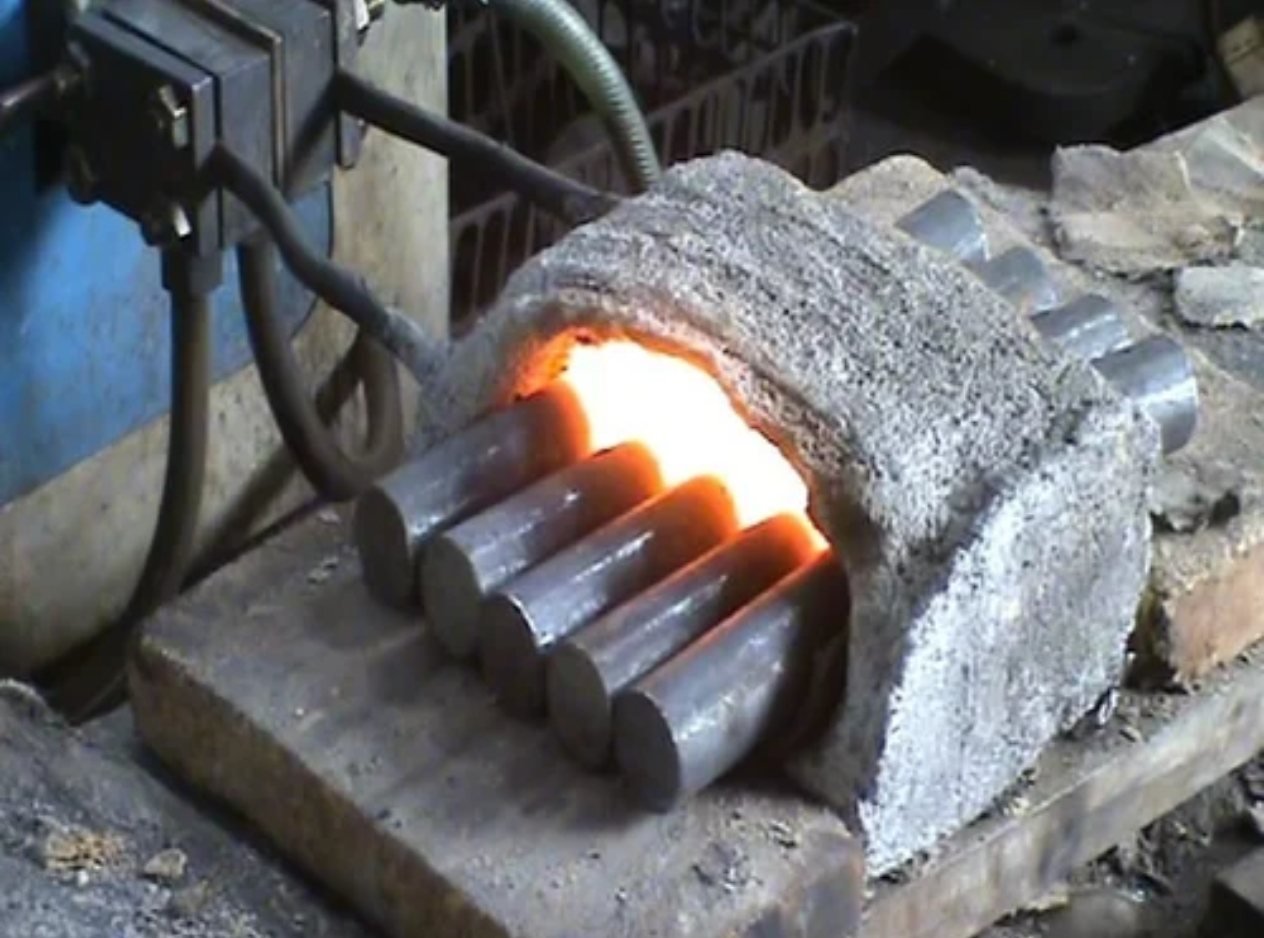
Induction heating uses an alternating electromagnetic field to generate heat directly inside an electrically conductive workpiece, instead of applying heat from an outside flame or element. A coil carrying alternating current induces eddy currents in the part; resistance to those currents generates heat right where it is needed.
Because the heat forms inside the part itself, the process is fast, repeatable, and easy to localize — useful for hardening a shaft's surface while leaving its core unaffected, or brazing a joint without heating the whole assembly.
Higher frequencies concentrate heat closer to the surface (useful for thin hardening layers), while lower frequencies penetrate deeper — relevant for thicker sections or through-heating of billets. We match frequency, power and coil design to each application.
Want to Discuss Your Application?
Tell us about your part and process — we will suggest the right approach.