Applications & Industries
Where induction heating is used, and why manufacturers choose it over flame or furnace-based methods.
Why Manufacturers Use Induction Heating
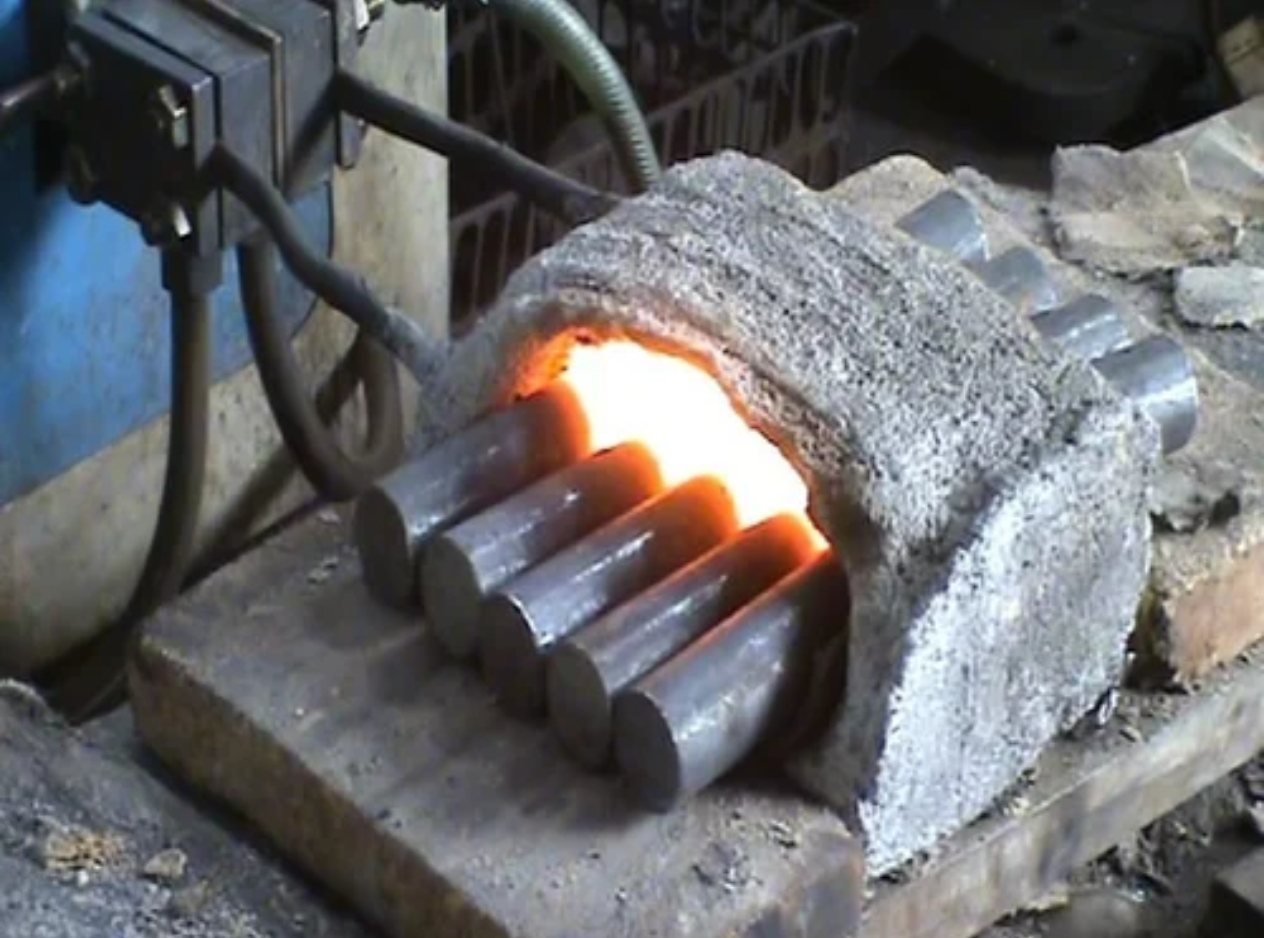
Induction heating generates heat directly inside the workpiece using an alternating electromagnetic field, rather than applying heat from an outside flame or element. This makes it fast, repeatable, and easy to focus on exactly the area that needs treatment.
- Faster cycle times than flame or furnace heating
- Heat stays localized — cores and surrounding areas are unaffected
- Consistent, repeatable results from part to part
- Lower energy waste compared with continuously-fired furnaces
Applications Across Manufacturing
Real photos and write-ups for each application — add, edit, or photograph a new one any time from Applications in the admin.

Forging
Billets and bar stock brought to forging temperature before shaping.

Brazing
Joining metal components quickly and repeatably with a filler alloy.

Annealing
Controlled heating to relieve stress and restore ductility.

Hardening
Selective surface hardening of gears, shafts and rings.

Automotive
Hardening, brazing and heat treatment of automotive components such as shafts, gears, fasteners and joints.
Bearings
Precision surface hardening of bearing races and rings.
Tool Manufacturing
Hardening and tempering of tooling, dies and cutting components.
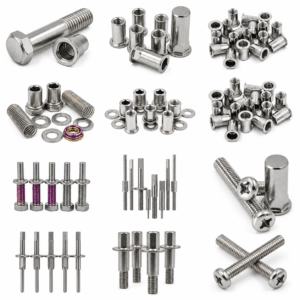
Fasteners
High-volume hardening and heat treatment of nuts, bolts and similar fasteners.
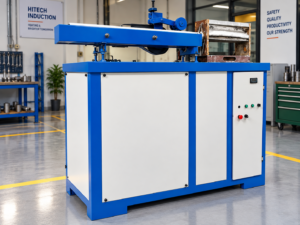
Heavy Engineering
Localized hardening, stress relieving and joint brazing on larger components.
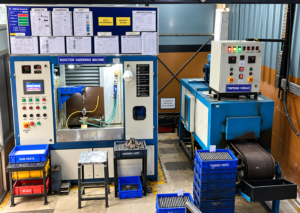
Induction Hardening Job Work Facility
Localized hardening, stress relieving and joint brazing on larger components.
Frequency and Power: Matched to Your Application
Higher Frequency
Concentrates heat closer to the surface of the part — well suited to thin hardening layers on shafts, gears and pins.
Lower Frequency
Penetrates deeper into the material — relevant for thicker sections, larger billets and through-heating applications.
Power rating is matched to the mass of the part and how quickly it needs to reach temperature. Share your part drawing or sample with us and we will recommend a suitable configuration.
Tell Us About Your Part
Material, dimensions and required hardening depth or heating cycle — we will suggest the right approach.